
Originally posted by BlasterBates
View Post
-
Problem is when you hear of people on 70-80K in London and SE who can only buy a flat, you know the housing market is fecked. -
Originally posted by BlasterBates View Post
The very fact that the average age of a first time buyer has risen from 28 to 34 since 2007 says that something major has changed.
Even with extremely low interest rates first time buyers cannot easily get on the housing ladder. It takes years to save the much bigger deposit that is now needed. 13 years by the looks of things (assuming you start work at 21).
Also if you bought a house in your mid twenties you had years of big pay rises ahead of you and that would help ease the burden.
Now at 34 you are at or near peak earnings for most careers.
The average deposit placed by a first-time buyer in 2019 was £46,200.
The average deposit for a first-time buyer in London (£110,000 ) is almost as much as the total mortgage for a buyer in the North of England (£112,000).
The average first-time buyer mortgage in 2019 was £185,300.
£231,500 was the average price of a home bought in the UK by a first-time buyer in 2019.
First-time buyer statistics: Average age to buy a house in the UK | Finder UK.Last edited by Fraidycat; 21 December 2020, 09:43.Leave a comment:
-
Interest rate is not the issue while it's low during 'emergency interest rate' ongoing since 2008 crash.Originally posted by TwoWolves View Post
It's always been a balance between purchase price and interest rate. They'll never in modern times with magic money trees available both be historically low at the same time so have to weigh up whether better to buy at high price using low interest rate to fund it then pay off asap if think rates likely to rise significantly soon, or wait for 'house price crash' and hope prices fall enough to make it overall cheaper than currently, as rates will inevitably rise if there's such a shock to the economy (or those mishandling it) to force prices significantly lower.
Even the 2008 financial crash that caused the now low interest rates didn't bring prices down all that much compared to the massive gains prior to 2008.
Better to price them in non-sterling such as gold or bitcoin if want genuine value.
Leave a comment:
-
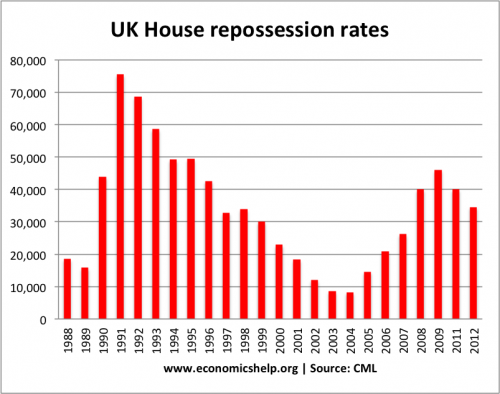
Indeed reposession rates in the early 1990's were far worse than in 2008.Originally posted by Whorty View Post
Leave a comment:
-
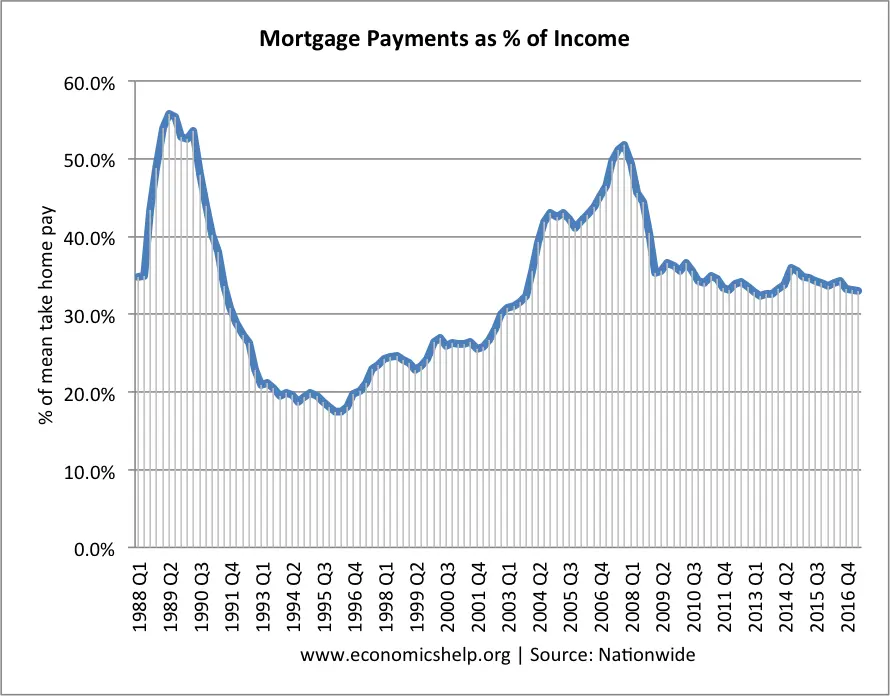
People have always spent a large proportion of their income on mortgage payments. Interest rates in the 1980's and 1990's were much higher than today. That is always the case when you buy a new house. After several years and a few salary increases it gets easier.Originally posted by TwoWolves View Post
Nothing much has changed.Leave a comment:
-
Crash might not happen, but neither might price growth which was the only thing supporting this Ponzi scheme.Leave a comment:
-
The government would do anything and I mean anything at all to prevent a house price crash, it's insane and doing a great deal of damage to the UK economy as such a large portion of people's income is now spent on the mortgage payments their finances have become quite vulnerable.
There should be a crash. Lots of things the government should do, or rather stop doing.Leave a comment:




Leave a comment: